 Jesse Livermore
· 3 min read
Triumpf Adler -> Typewriters
Part of the Portfolio since 2021...
Not every exhibit here was killed by a crook. Some were simply standing on the tracks when the future came through. Triumph-Adler is the museum’s monument to obsolescence – the fate of being magnificent at exactly the wrong thing.
The pedigree is genuinely grand. Triumph began in Nuremberg in 1896 as the German offshoot of the British Triumph bicycle works and moved into typewriters in 1909, buying a bankrupt typewriter maker’s assets at auction. Adler of Frankfurt, a bicycle and later car maker, had been building them since around the turn of the century; its Model 7 became the first German typewriter to sell with great success abroad. Max Grundig bought into both in 1957 and merged them the following year, and by 1968 the group ranked as the fifth-largest office-machinery maker in the world – the firm whose machines clattered out the correspondence of the entire Wirtschaftswunder.
Then the ownership carousel began, and it is almost too good. Grundig sold to America’s Litton Industries in the late 1960s. And in 1979 – of all buyers – Volkswagen took a majority, mopped up almost all of the rest a year later, and in 1985 renamed the company TA Triumph-Adler AG. Yes: a carmaker decided part of its future lay in typewriters and office computers, because the age of the oil shock was a strange and confident time.
The marriage was not a happy one; after years of losses, VW handed it in 1986 to Olivetti – a direct competitor – just in time for the typewriter to become a paperweight.
Because while all this corporate pass-the-parcel was going on, the personal computer was quietly ending the entire product category. Under Olivetti, German development and production were gutted: in 1987 alone turnover fell by 29 per cent and the West German workforce by almost a third, after a 1986 loss of more than $200 million. In 1993 Olivetti sold off the operating sites, the historic Frankfurt Adlerwerke among them. The machines that had built the office were now museum objects – ours, eventually.
What remained was a brand and a listing, so in 1994 a consortium of banks, an insurer and private investors did the only thing left: it turned the husk into a grab-bag Mittelstand holding company spanning office equipment, ‘games and leisure’, construction technology and even healthcare – a conglomerate with no logic except that it still had a stock-exchange quotation. This is a recognisable late stage of corporate decline: when the original business is dead, the corporate shell goes looking for a personality.
The end was tidy. Kyocera of Japan took 25 per cent in 2003 in exchange for letting TA rebadge its printers, gained majority control at the end of 2008, bought out the remaining shareholders in October 2010 and converted the company into a GmbH in 2011. Today TA Triumph-Adler survives in Nuremberg as a Kyocera subsidiary selling document services – a 130-year-old name reduced to a sticker on someone else’s machine.
The Adler half, meanwhile, found an even stranger afterlife. The old Adlerwerke company, emptied of its factories, was renamed Adler Real Estate in 1999 and later folded into the property group Adler Group – whose auditor, KPMG, declined to give an opinion on its 2021 accounts. From typewriters to a disclaimer of opinion: the museum has a separate wing for that sort of thing.
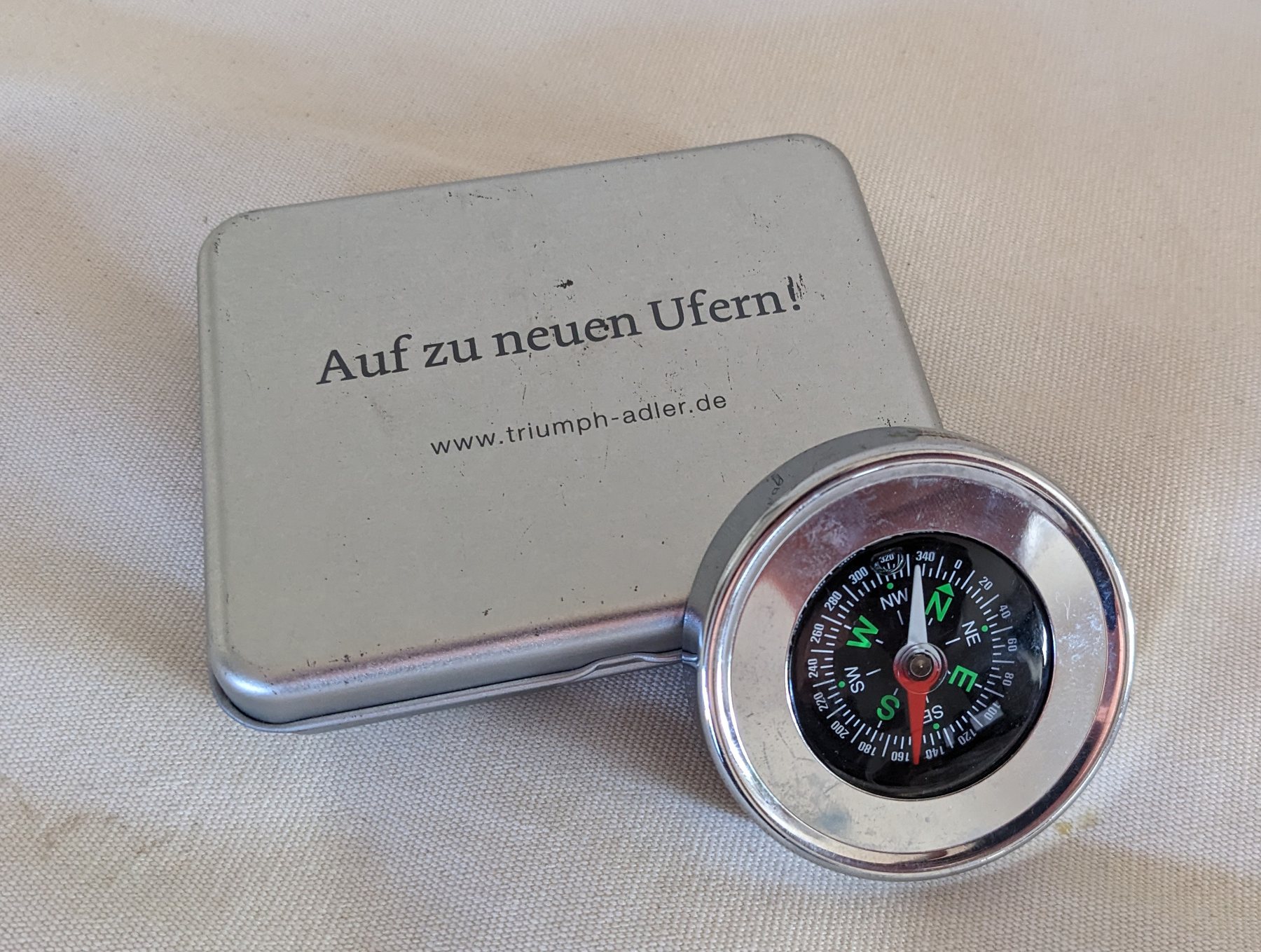
(Not part of the Portfolio:)
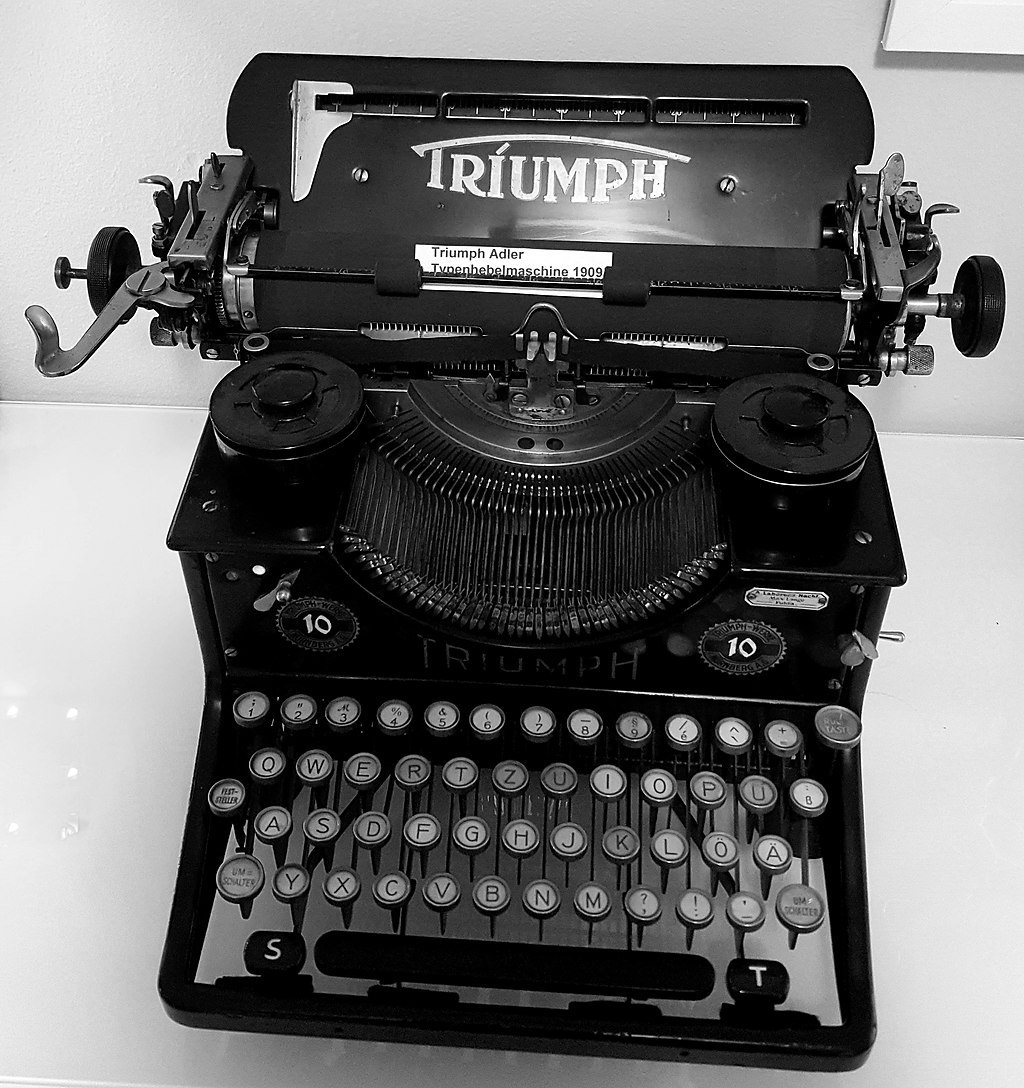
Museum note: unlike most exhibits in this collection, a well-kept Triumph-Adler typewriter still works perfectly. It is merely the world around it that stopped.
Further reading
- Wikipedia – Triumph-Adler (ongoing)
- Wikipedia (de) – TA Triumph-Adler (ongoing)
- FundingUniverse – TA Triumph-Adler AG History (c. 2000)
- Computergram / Tech Monitor – Triumph-Adler’s 1987 results (1988)
- Wikipedia – Adlerwerke (ongoing)
- Deutsches Historisches Museum – Adler No. 7 typewriter (collection)
- Bloomberg – Adler board members quit after auditor refuses to sign off (2022)


