 Jesse Livermore
· 3 min read
The Chinese Starbucks
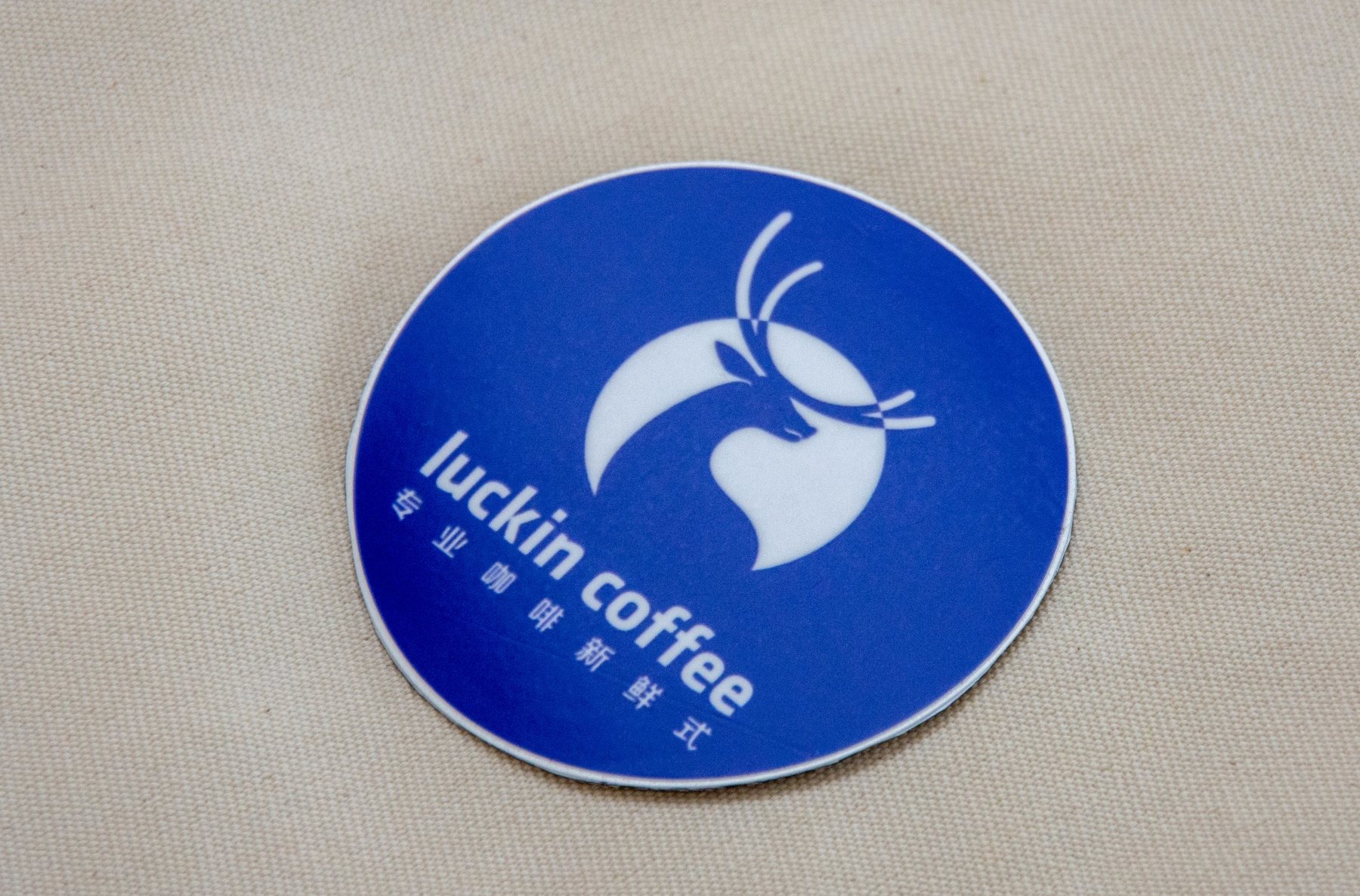
Part of the portfolio since 02/2020
(This is a “fake” fridge magnet.)
Short and dirty…
Since our experience with those Chinese companies listed in Germany (see: Powerland and Asian Bamboo), we have had a hunch about all Chinese listed companies.
Luckin Coffee was the story of the moment: founded in Beijing in 2017, app-only ordering, heavy discounts, thousands of stores in record time and a Nasdaq IPO in May 2019 at USD 17 per share. By its own count it had more stores in China than Starbucks within two years. Growth like that usually needs a lot of coffee – or a lot of creativity.
When the well-known short seller Muddy Waters referenced an anonymous 89-page report (quite a read!) at the end of January 2020, which claimed to have gathered 11,260 hours of store-traffic video and more than 25,000 customer receipts, it was time to emotionally short the Chinese Starbucks wannabe. Luckin denied everything, of course.
Finding a collectible of Luckin wasn't so easy. We decided to crawl eBay and finally got hold of an “Original magnetic Luckin Coffee Fridge sticker”.
This wouldn't be a China story without one more twist: the “original sticker” arrived from China after around twelve weeks – and was obviously a bad print.
By then the short had worked out perfectly and things had come to a screeching halt at Luckin Coffee. On 2 April 2020 the company itself disclosed that an internal investigation had found its COO had fabricated about RMB 2.2bn (about USD 310 million) of 2019 sales. The shares lost more than 80 % that month, Nasdaq delisted the company at the end of June, chairman Charles Lu was replaced in July, and in December 2020 Luckin agreed to pay a USD 180 million penalty to settle accounting fraud charges with the SEC, without admitting or denying the allegations. A Chapter 15 filing in New York and a debt restructuring followed.
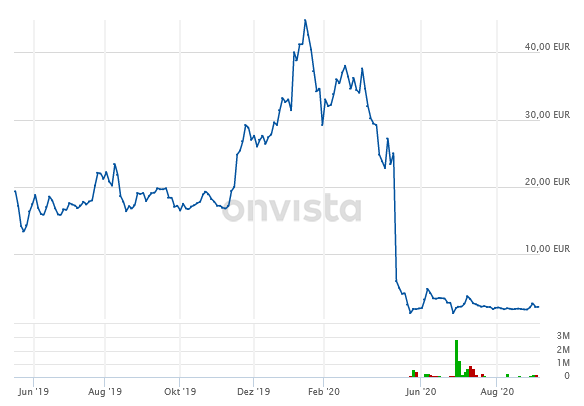
And now the twist that no museum curator saw coming: the coffee was real. Under new management and its new controlling shareholder Centurium Capital, Luckin kept opening stores and trading over the counter. At the end of 2025 it operated more than 31,000 outlets – some 30,900 of them in China, plus Singapore, Malaysia and a handful in Manhattan – with 2025 revenue of roughly RMB 49bn (about USD 7bn), according to its annual report on Form 20-F. Meanwhile, in March 2026, Starbucks completed the sale of 60 % of its China retail business, some 8,000 stores, to Boyu Capital. The wannabe outgrew the original.
Our emotional short still worked – we sold at the right time, in spirit. But Luckin is a rare exhibit: a company that faked its sales and then went on to make them for real.
Museum note: the fridge magnet was a fake, the revenue was a fake – only the coffee turned out to be genuine.
More links:
Chanos: “We are in the golden age of fraud”
Further reading
- Wikipedia – Luckin Coffee
- SEC – Luckin Coffee agrees to pay $180 million penalty to settle accounting fraud charges (2020)
- FT – Jim Chanos: “We are in the golden age of fraud” (2020)
- TechCrunch – Luckin Coffee replaces chairman Charles Lu (2020)
- CNBC – China's Luckin Coffee to pay $180 million penalty to settle fraud case (2020)
- Luckin Coffee – Annual report (Form 20-F) for 2025 (2026)
- Business Wire – Starbucks and Boyu Capital finalize joint venture in China (2026)


