 Jesse Livermore
· 4 min read
Staramba - rise of the living dead
Part of the portfolio since 12/2018
Germany has its fair share of prominent stock market promoters and well-known but controversial businessmen. One of them is Rolf Elgeti. Born in 1976 in Rostock, Eastern Germany, Elgeti was a high flier for a long time: UBS, Commerzbank and ABN Amro in his twenties, and named one of the best equity analysts in the Extel survey. In his thirties (around 2007) he switched to real estate and in 2009 became CEO of TAG Immobilien. The stock was trading at around 2 euros at the time. After a series of smart deals, combined with a renewed appetite for German residential property, TAG shares went up tenfold within a couple of years. He was a rainmaker!
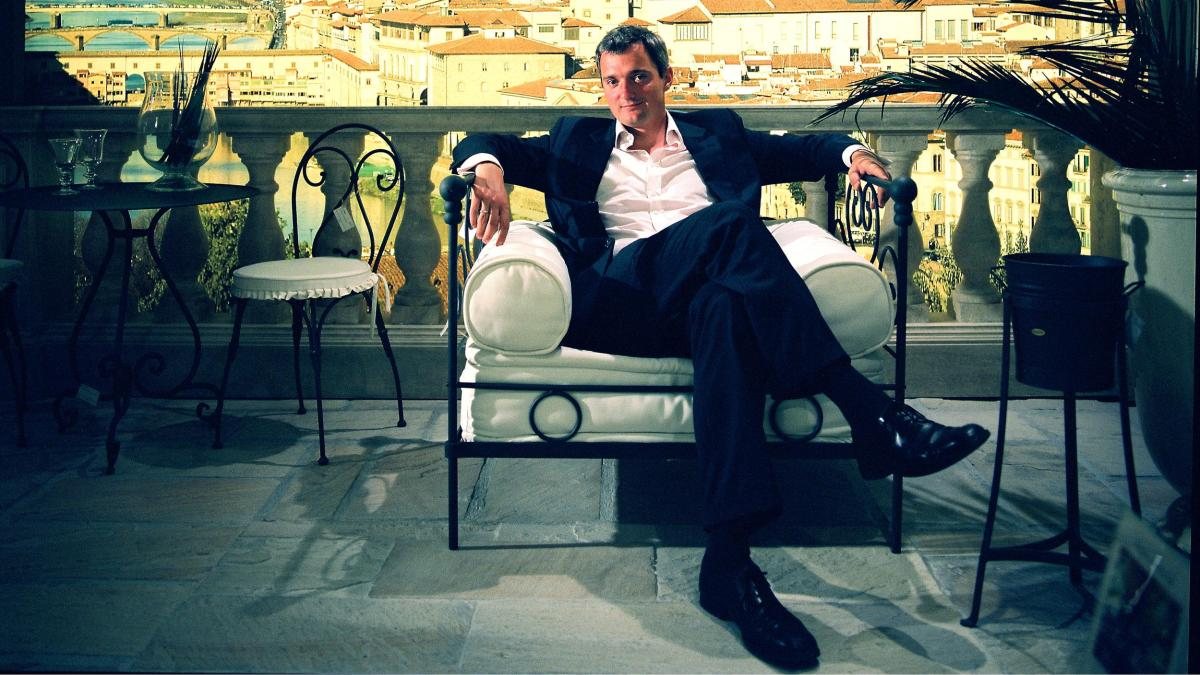
In 2013 reports about alleged self-dealing hit the headlines. The main accusation: that Elgeti had done real estate deals for his own account, several of them very close to TAG’s core business (link). The “controversial private property deals”, as the financial press called them, kept him in the headlines for a long time.
In September 2014 Elgeti stepped down as CEO; he later chaired TAG’s supervisory board until May 2023. Having made a ton of money, he started investing on his own behalf. Notable investments in listed and unlisted companies followed: Deutsche Konsum REIT, Creditshelf, Staramba, Francotyp-Postalia and the football club Hansa Rostock.

Staramba was founded around 2013 by an entrepreneur called Christian Daudert. In the 1990s Daudert and his brother had run a wealth management firm in Rostock with several professional footballers as clients (Handelsblatt: “Staramba: Gründer gerät wegen Vergangenheit unter Druck”).
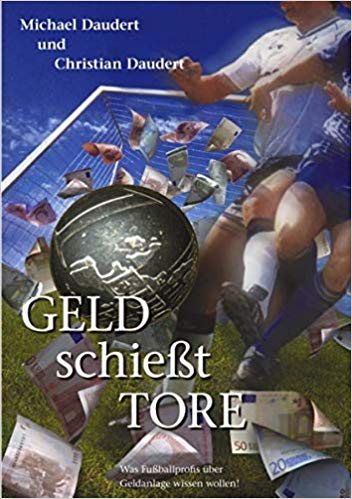
He even wrote about how football professionals invest. The original idea of Staramba was to monetise those player relationships and to “digitise” the stars for upcoming AR and 3D applications.
After signing up well-known former German internationals Fredi Bobic and Hasan Salihamidžić, he took in rainmaker Rolf Elgeti as a 30% shareholder, and together they rode the wave…
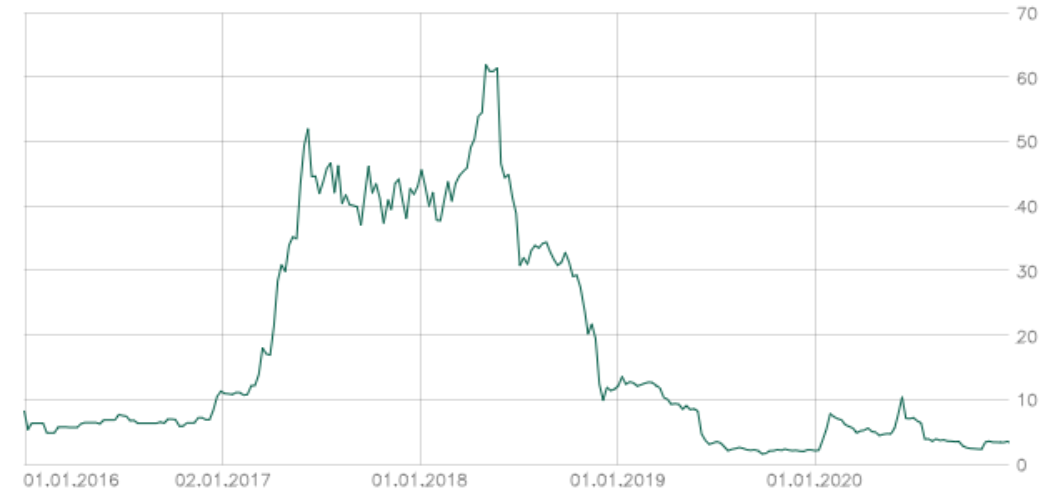
After some roadshow marketing, a bit of kung fu finance (merging Staramba into a listed shell, the former Social Commerce Group, and converting it into an SE) and some stock market drumming, the market cap of the newly named Staramba went from EUR 23mn to around EUR 150mn. Revenue at the time? Tough to tell – but around EUR 2mn.
In the beginning the business was collecting 3D models of celebrities and football stars via photogrammetry. At one point they even digitised the squad of Bayern Munich. The core assets were the digital library of stars – some of them 3D-printed as figurines – and the self-developed 3D scanners.
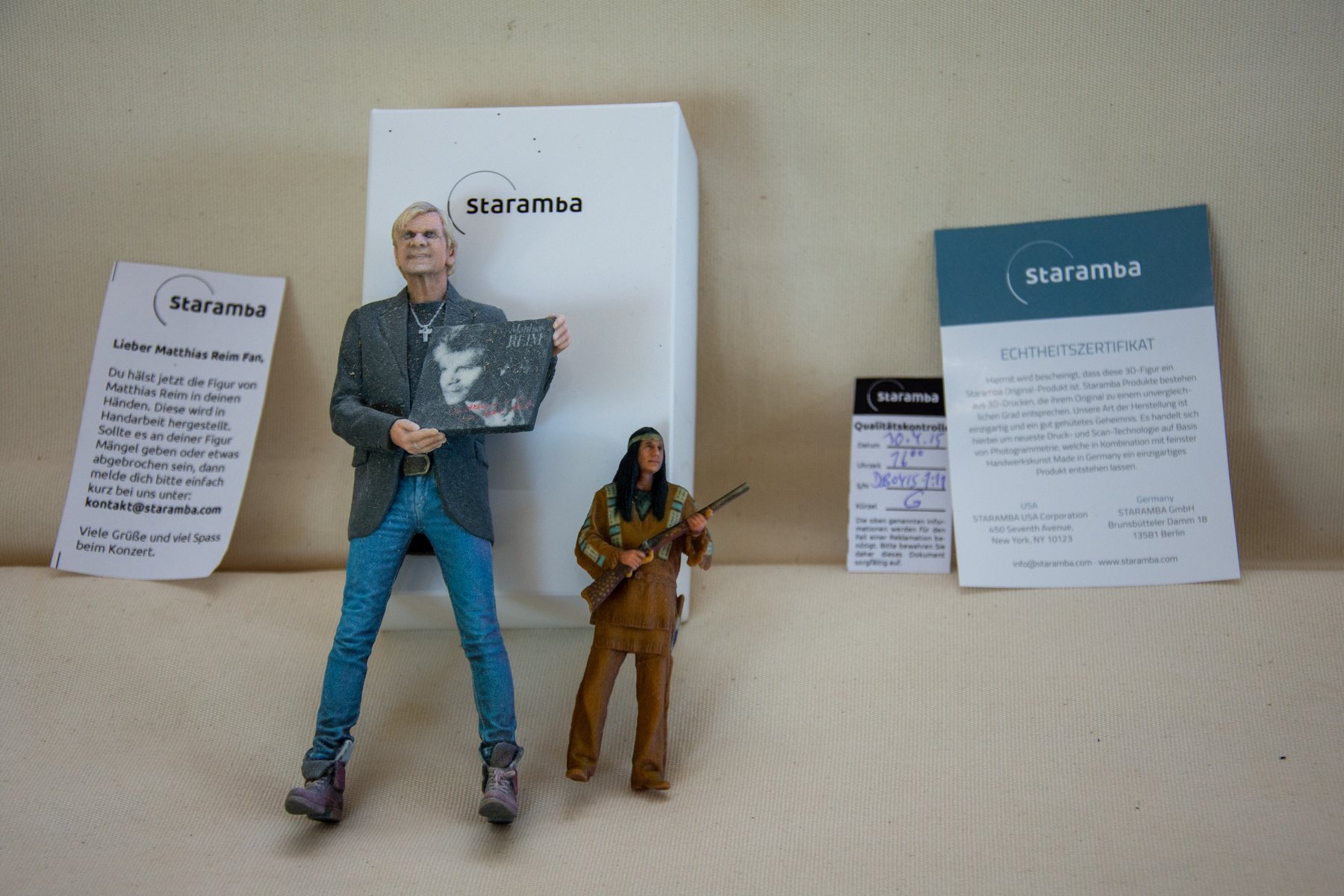
The quality of those 3D models, however, was pretty awful. Matthias Reim, the man behind the 1990 schlager smash “Verdammt, ich lieb’ dich”, could have walked straight onto the set of The Walking Dead.
Later in 2017 they announced a product called “VR Star Island”, billed as “social experience software”: put on a VR headset and walk around an island populated by stars. Social network à la Facebook included.
For 2017 they guided for revenue of EUR 16mn at high profitability. In November 2017, at the height of the blockchain hype, the company announced it would issue its own coin – “Staramba.spaces” – for its own “social VR network” (link). The stock was still going strong and peaked above EUR 60 in May 2018. A tenbagger in just two years.
Then, on 25 May 2018, the company had to announce that its auditor BDO would not sign off the 2017 accounts. There were disagreements about revenue and receivables. Ouch. The stock halved in no time.
There was some back and forth, and the company promised to come clean with its 2017 report by 30 November 2018. On that day it announced that BDO would still not sign the new, restated 2017 report.
The restated Annual Report 2017 was issued with a “Versagungsvermerk” – the auditor’s formal refusal to issue an opinion. One of the details: “In the restated annual report revenues stated are TEUR 12.049. The company could not prove evidence of TEUR 7.427.” Among the gory details was a bridge loan from Creditshelf – another Elgeti investment. On 3 December 2018 Staramba announced that it was considering civil, criminal and professional action against BDO (link), and some mudslinging followed. The key issue: Staramba wanted to book proceeds from its coin offering – and receivables of doubtful quality – as revenue; BDO declined. Recurring business… none.
The 2018 accounts made the point even more clearly. Once the auditors ruled that the token sales were customer prepayments rather than revenue, an expected EUR 17.6mn of revenue shrank to about EUR 330,000, and a reported operating profit of EUR 5.7mn turned into a loss of EUR 11.1mn. More than half of the share capital was gone.
That was when the Kapitalmarkthygienemuseum acquired a beautiful Staramba figure – and was gifted a second one by a donor who had had the same idea. (Great minds think alike :-D)
After that the stock went downhill… like a still-twitching zombie. In October 2019 Staramba was renamed NEXR Technologies, and founder Daudert was removed as managing director. The zombie kept walking for a few more years, financed by its major shareholder. When that money stopped, NEXR filed for insolvency in May 2023. In December 2024 the insolvency administrator presented a plan under which existing shareholders were to lose all their shares without compensation to a new investor.
That short would have been a full success over time.
Museum note: the figurines are not very lifelike. Then again, neither was the revenue.
Further reading
- Börse Online – Staramba-Aktie: Von der Realität eingeholt (2019)
- DGAP – Staramba board considers steps against its auditor (2018)
- DGAP – Staramba plans its own blockchain-based currency (2017)
- Nebenwerte Magazin – Staramba ist jetzt NEXR (2019)
- EQS/Börse Online – NEXR Technologies: shareholders to lose all shares without compensation (2024)
- Börse Online – TAG: Vorstandschef Elgeti wirft hin (2014)
- Die Welt – Report on Elgeti’s private property deals (2013)


