 Jesse Livermore
· 3 min read
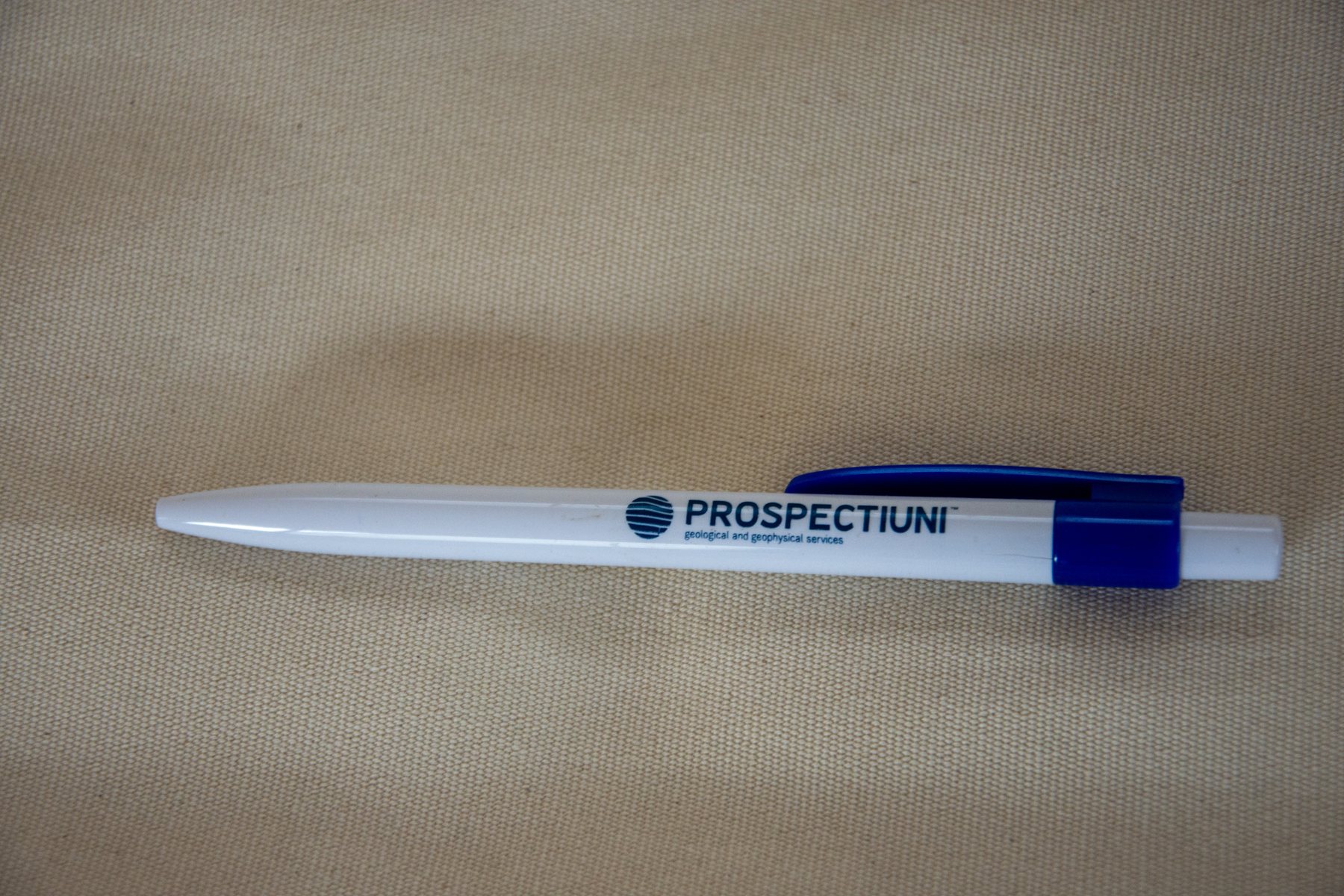
S.C.Prospectiuni S.A - Oil and Gas in Romania
Part of the Portfolio since 2015...
Every collection needs one piece that visitors have never heard of, frown at, and quietly admire. Ours is Prospecțiuni S.A. – a Romanian geophysical-services company that, for more than sixty years, has done the most unglamorous job in the entire energy business: driving trucks into the Carpathian mud, thumping the ground, and listening to the echoes for the tell-tale shape of oil and gas. The technical term is reflection seismology; the practical term is hard work in bad weather.
Founded in 1950, Prospecțiuni was the geological ear of communist Romania’s petroleum ambitions. As it was the only one getting the permits... that was a good business.
After 1989 it was privatised and passed through the usual opaque post-communist hands, eventually landing a modest listing on the Bucharest Stock Exchange under the ticker PRSN – a micro-cap that essentially nobody outside Romania had ever traded. Control ended up with Tender SA, the holding company of businessman Ovidiu Tender.
Here is the structural trap, and the reason the share belongs in a museum about worthlessness. Prospecțiuni sells derived demand. It does not own oil; it does not even look for its own oil. It is hired by those who do – above all OMV Petrom and the state gas producer Romgaz – to perform surveys.
When the oil price is high and explorers are spending, the trucks roll and the invoices flow. When the oil price falls, exploration budgets are the very first thing cut, and a seismic-survey company becomes a fleet of idle equipment with a payroll.
So when the oil price collapsed across 2014–2016 in the great oil glut, the outcome was no surprise to anyone who understood the food chain – only to those who owned the share. Exploration spending in Romania dried up; Prospecțiuni’s revenue followed; a liquidity crisis arrived on schedule. It didn’t help that the majority owner was in jail: in June 2015 a Bucharest appeals court had handed Ovidiu Tender a final sentence of 12 years and 7 months in the long-running Carom fraud case.
In April 2016 a Bucharest court opened insolvency proceedings and installed the specialist practitioner Euro Insol at the wheel. To pay its creditors, the company eventually put its headquarters and its protocol villas in Sinaia and Mogoșoaia up for sale.
And then – the twist that makes this an exhibit with a pulse rather than a tombstone – it did not die.
From 2017 a judicial reorganisation followed, financed not by fresh capital but by work – contracts for Romgaz and OMV Petrom. The oil price recovered, the surveys resumed, and in April 2022 Euro Insol announced that Prospecțiuni had emerged from insolvency, with its creditors paid at face value. In March 2024 it was even added to an MSCI Frontier Markets small-cap index – the financial equivalent of a patient discharged from intensive care being asked to model for a fitness magazine.
Museum note: we collected this one as a tombstone and now have to dust it as a survivor. In seismology, as in investing, the loudest echo does not always come from the deepest hole.
Further reading
- Economica.net – Prospecțiuni SA, controlled by Ovidiu Tender, exits insolvency (2022)
- SeeNews – Romanian geophysical services provider Prospectiuni enters insolvency (2016)
- Profit.ro – Tender blames ANAF and Eximbank for the Prospecțiuni insolvency (2016)
- Profit.ro – Prospecțiuni sells its headquarters and protocol villas to pay creditors
- Capital.ro – Ovidiu Tender sentenced to 12 years and 7 months (2015)
- Romania Insider – Four more Romanian companies included in MSCI indices (2024)
- Wikipedia – Reflection seismology


