 Jesse Livermore
· 3 min read
Polaroid - New Economy in the distant past...
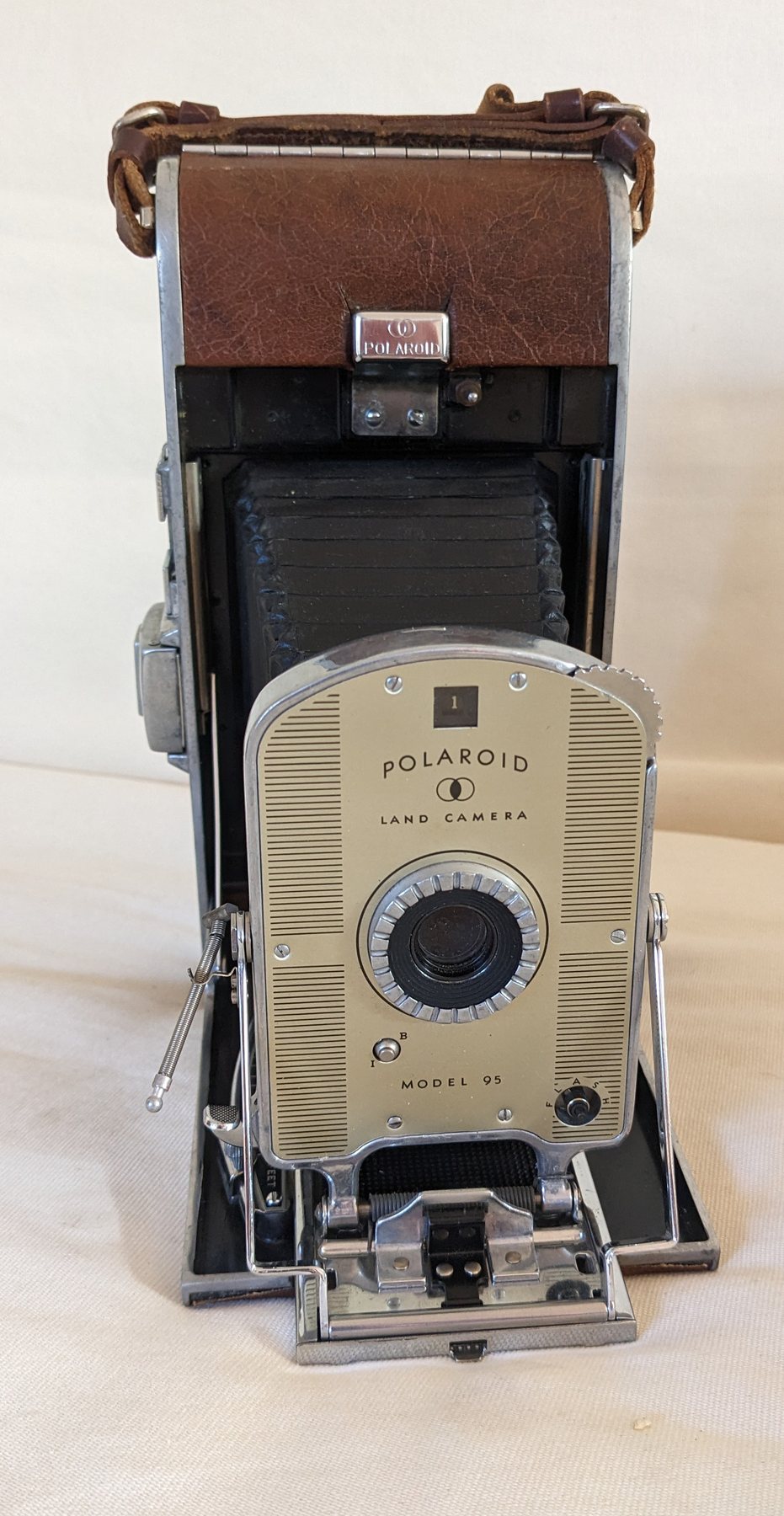
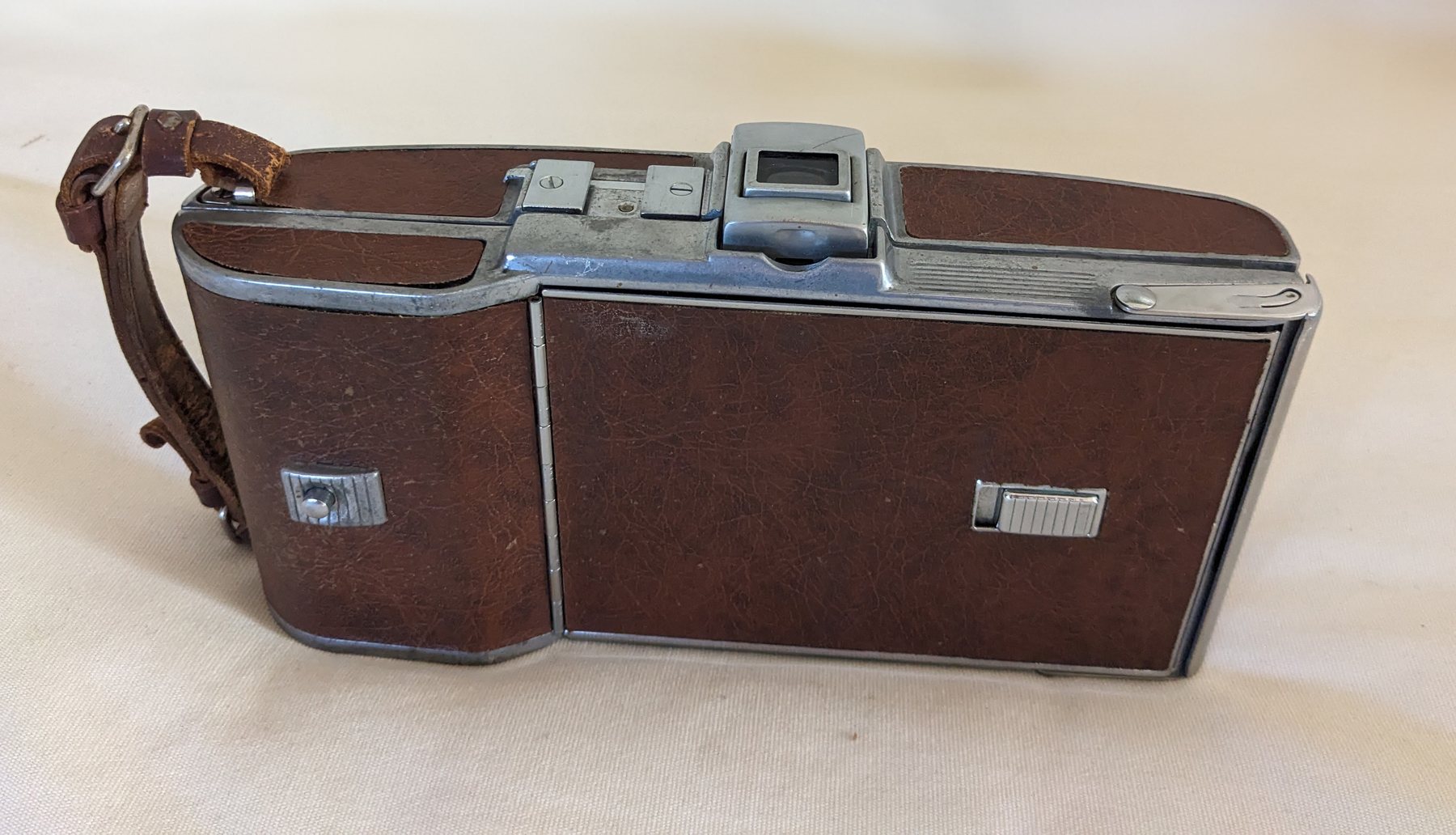
Polaroid Land Camera Model 95 (from 1948)
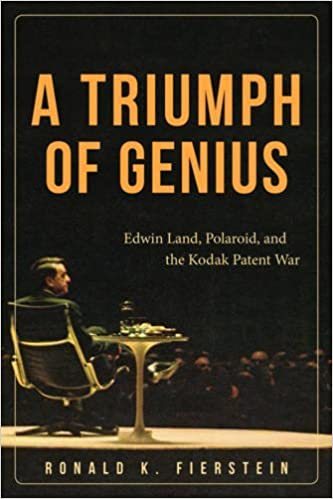
An absolute “must read”: A Triumph of Genius: Edwin Land, Polaroid, and the Kodak Patent War by Ronald K. Fierstein, who sat on Polaroid's own legal team – so read it as the view from one side of the courtroom, but read it.
Long before anybody said “disruption” on a conference stage, there was Edwin H. Land: Harvard dropout, 535 patents (only Edison and Elihu Thomson had more), and a founder who spoke about his products the way later generations would speak about phones. In 1937 he set up Polaroid in Cambridge, Massachusetts, to sell polarising filters – sunglasses first, glare-free everything later.
The big idea came, so the legend goes, in 1943, when his three-year-old daughter asked why she couldn't see the photo he had just taken. Five years later the answer was on sale: on 26 November 1948 the first Land Camera went on sale at the Jordan Marsh department store in Boston for USD 89.75 and reportedly sold out on the first day. A picture in about a minute, developed inside the camera. That is our exhibit: the Model 95, heavy as a brick and about as fast as one, but in 1948 it was pure magic.
For the next quarter of a century Polaroid was the new economy of its day: a visionary founder, a technological moat, a razor-and-blades model (the money was in the film), and a stock that belonged to the famous “Nifty Fifty” – the one-decision growth stocks investors happily paid any multiple for in the early 1970s. In 1972 came the SX-70, the folding instant SLR that spat out its prints all by itself. Then the 1973–74 bear market reminded everybody that one decision can also be the wrong one.
Not every invention was a hit. Polavision, Land's instant home-movie system of 1977, flopped and cost a write-off of about USD 89 million – just as videotape was arriving. In 1982 Land resigned as chairman of the company he had founded.
The finest hour came in court. When Kodak entered instant photography in 1976, Polaroid sued for patent infringement. In 1985 Kodak was found to have infringed seven patents, pulled out of instant photography by 1986 and was ultimately ordered to pay about USD 909 million – roughly USD 925 million with interest. Polaroid had won the patent war; the irony is that both combatants would later lose the same war against digital photography. Revenue peaked at around USD 3 billion in 1991, the year Land died.
The rest is a slow fade-out. Polaroid filed for Chapter 11 in October 2001, and its assets were sold in 2002. The successor company was bought in 2005 for USD 426 million by Tom Petters – who was convicted in 2009 of running a multi-billion-dollar Ponzi scheme and sentenced to 50 years. Polaroid, now collateral damage of somebody else's fraud, went bankrupt again in December 2008.
And then the happy ending nobody saw coming: a small group of enthusiasts around Florian Kaps took over the last film factory in Enschede, the “Impossible Project”, and in 2010 started producing instant film again. Since 2017 the brand and the film business belong to the Smołokowski family; since 2020 everything simply trades as Polaroid again. Analogue is the new cool – the founder would have smiled.
Museum note: a company that taught the world instant gratification, and then gave its shareholders a 30-year lesson in patience.
Own a better Polaroid relic, or a story from Cambridge, Mass.? Get in touch via the contact page.
Further reading
- Ronald K. Fierstein – A Triumph of Genius: Edwin Land, Polaroid, and the Kodak Patent War (review at Publishers Weekly) (2015)
- Wikipedia – Polaroid Corporation
- Wikipedia – Edwin H. Land
- History.com – First Polaroid camera sold
- Toronto Metropolitan University Library – Kodak versus Polaroid: the battle for instant photography (2013)
- Wikipedia – Tom Petters


