 Jesse Livermore
· 3 min read
Community Adjusted EBITDA...
Part of the portfolio since 2017 or 2018 (still in those “go-go times”)
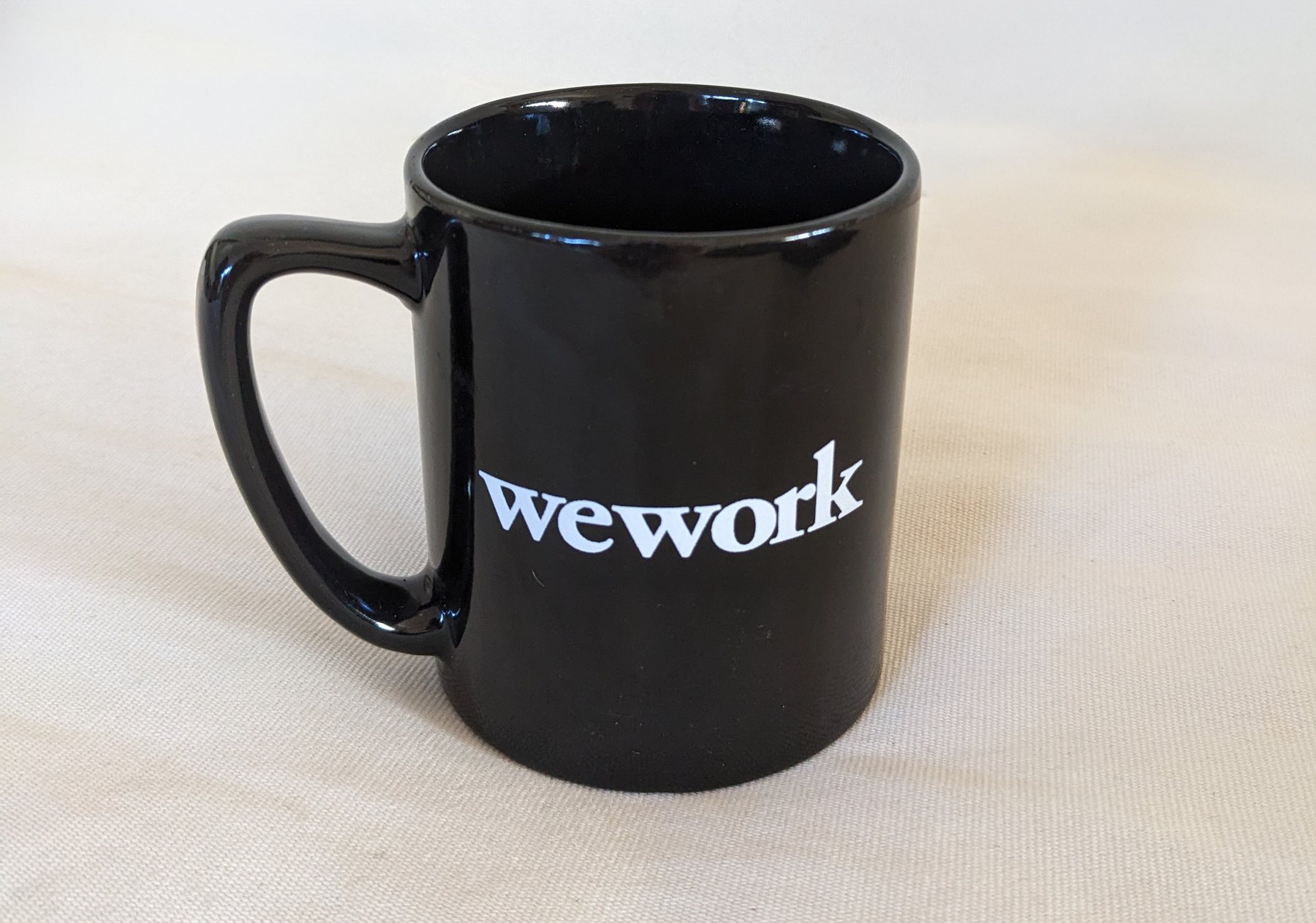
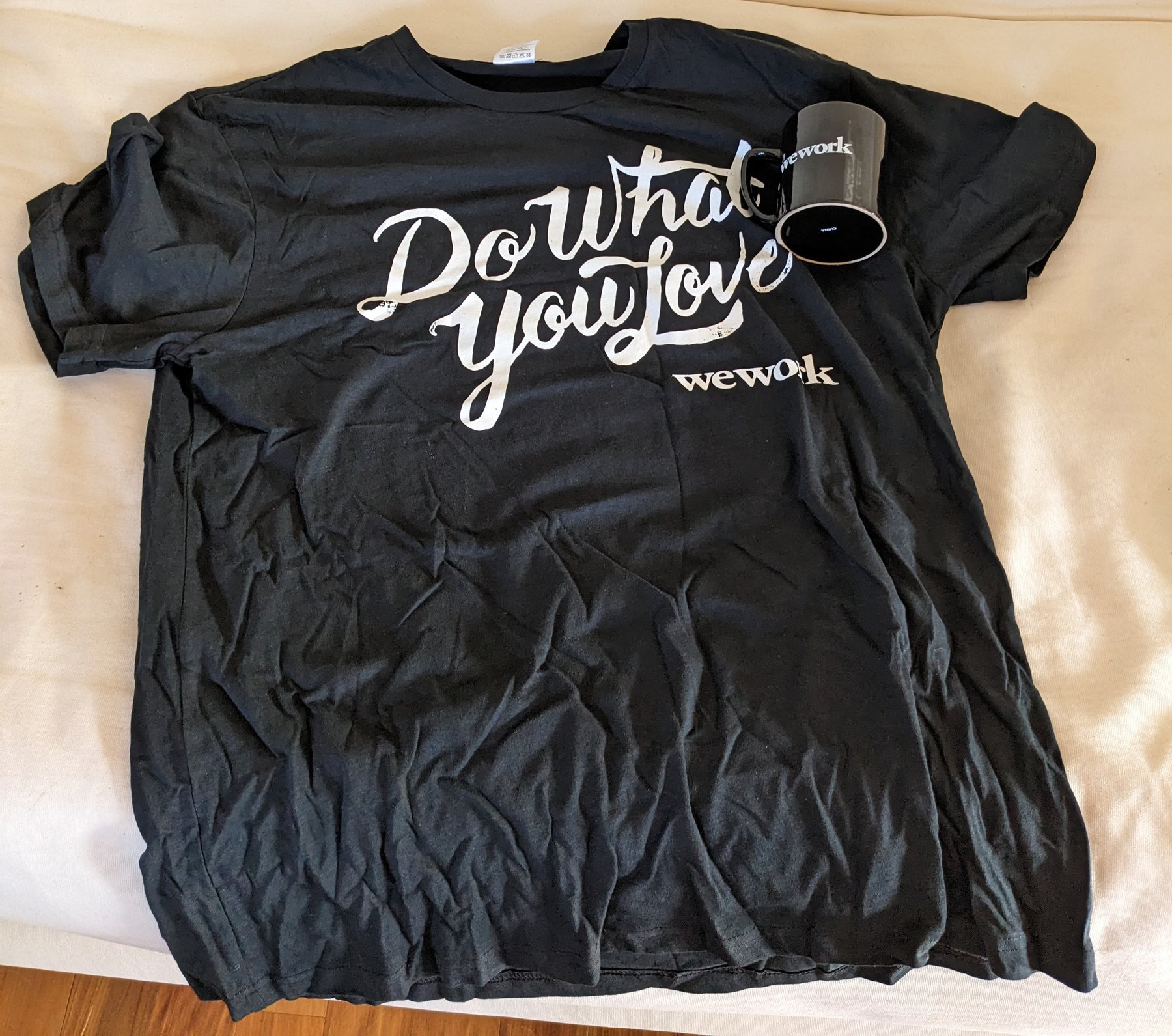
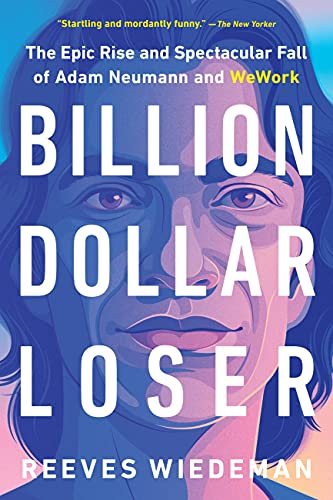
A black coffee mug, a black T-shirt reading “Do What You Love”, and a book called Billion Dollar Loser. Together they tell the whole story of WeWork more efficiently than its IPO prospectus ever did.
The idea. In 2010 Adam Neumann and Miguel McKelvey founded WeWork in New York: lease office floors for the long term, fit them out with exposed brick, neon slogans and beer on tap, and rent desks to freelancers and start-ups for the short term. Commit for years, earn month to month – a mismatch as old as the property cycle itself. What was new was the packaging. WeWork was not a landlord, it was a “community”, a “platform”, a tech company that happened to own a lot of furniture.
The metric. In April 2018 WeWork sold its first bond – upsized from $500 million to $700 million – and gave the world the gift that names this post: “community-adjusted EBITDA”. The idea was simple: take normal EBITDA, then also leave out company-wide costs such as growth spending and executive salaries. What remained looked like a profit. What it did not resemble was the actual result: on revenue of $886 million in 2017, WeWork had lost $933 million. If you adjust for enough things, every company is profitable.
The valuation. SoftBank did not mind. In January 2019 it invested at a valuation of $47 billion and over time put more than $10 billion into the company. In August 2019 WeWork filed its IPO prospectus, which opened with the mission “to elevate the world's consciousness” and went on to report losses of more than $900 million in the first half of the year alone. Investors also discovered that the company had paid $5.9 million to an entity controlled by its founders for the rights to the word “We” (the money was later returned).
The crash. The IPO roadshow lasted about as long as a free beer at a WeWork launch party. Neumann stepped down as CEO on 24 September 2019, and on 30 September the company withdrew its filing. SoftBank took control, and Neumann's exit deal was reported at close to $1.7 billion – arguably the most successful “Do What You Love” story in the building. WeWork finally went public in October 2021 by merging with a SPAC, at a valuation of about $9 billion, a discount of some 80% to the dream. On 6 November 2023 it filed for Chapter 11. It emerged in 2024, much smaller, with the real-estate software company Yardi Systems as majority owner – a landlord's landlord, which is roughly what WeWork had been all along.
The saga produced a bestseller (Billion Dollar Loser by Reeves Wiedeman, also in our collection) and a TV drama, WeCrashed. Few companies have been so thoroughly documented for failing to make money from renting desks.
Museum note: the mug holds exactly one coffee, with no adjustments. Got a tote bag, hoodie or lanyard from another “community”? Tell us via the contact page.
Further reading
- Reeves Wiedeman – Billion Dollar Loser: The Epic Rise and Spectacular Fall of Adam Neumann and WeWork (2020)
- Wikipedia – WeWork (ongoing)
- Axios – Digging into WeWork's new financial metric (2018)
- CNBC – WeWork offers a romantic vision in its IPO filing, alongside staggering losses (2019)
- Fortune – WeWork withdraws its IPO filing (2019)
- CNBC – WeWork files for bankruptcy (2023)
- Wikipedia – WeCrashed (TV series) (2022)


