 Jesse Livermore
· 3 min read
Cliq Digital: The German Netflix
Cliq Digital -> Covid Mask from 2020
Cliq Digital was, for a giddy stretch of 2022–2023, a German small-cap darling. The Düsseldorf company had started life in 2005 as Bob Mobile AG, a seller of ringtones and mobile subscriptions – a trade whose subscription practices drew public criticism from Germany’s consumer-protection minister in 2010 – and renamed itself Cliq Digital in 2012. Its new act: license streaming content – films, music, games, audiobooks – bundle it into subscription packages, and sell those packages through aggressive online performance marketing. Revenue and profits soared; for 2022 the company proposed a dividend of €1.79 a share, a yield of around ten per cent; and the share price rocketed from roughly €2 to a peak of €41.30. Income investors fell in love.
The museum’s skeptics, however, kept staring at the engine. To generate all that growth, Cliq more than doubled its marketing budget in 2022 to €112 million – some forty per cent of its €276 million revenue, according to its own full-year release. For scale: Netflix, an actual content company, spends somewhere in the high single digits of revenue on marketing. When two-fifths of your sales must be poured back into advertising just to keep the lights flashing, you are not really a media company.
And then the number that turned a growth story into a museum exhibit. On the company’s own figures, the subscribers it was paying so dearly to acquire stuck around, on average, about eight months. That is the whole thesis in one statistic: Cliq was renting customers by the month, spending heavily up front to win them, and watching them drift away before the economics had time to work. It is a treadmill – and a treadmill requires ever-increasing effort merely to stay in the same place.
Treadmills are wonderful while you are speeding up and catastrophic the moment you slow down. In early 2024 churn rose – analysts at Edison pointed to card issuers making refunds and cancellations easier – and the lavish dividend, the very thing that had drawn the income crowd, shrank from €1.79 to a symbolic four cents. On 6 May 2024 came the profit warning: revenue guidance cut from €360–380 million to €300–330 million, EBITDA guidance roughly halved. The shares lost a third in an evening, to €11. In January 2025 a €26.6 million goodwill write-down formally admitted that the business was worth a good deal less than the bull market had decided. For 2024, a €32 million profit became a €28 million loss, and paying customers shrank from 1.2 million to 0.7 million.
The coda is the usual one for fallen small caps. A Dutch vehicle, Dylan Media, assembled some 40 per cent of the shares in 2025, the company began buying back stock, and the board now openly muses about a delisting. In mid-2026 Cliq offered to repurchase shares at €3.85 – less than a tenth of the peak.
Cliq is the specimen of the moment a market collectively re-learns an old truth: that the cost of acquiring a customer is a cost, not an asset – the same lesson taught, in a regulated key, by our Vardia exhibit two display cases down.
A 10% dividend funded by an accelerating marketing invoice is not a yield. It is a countdown with good optics.
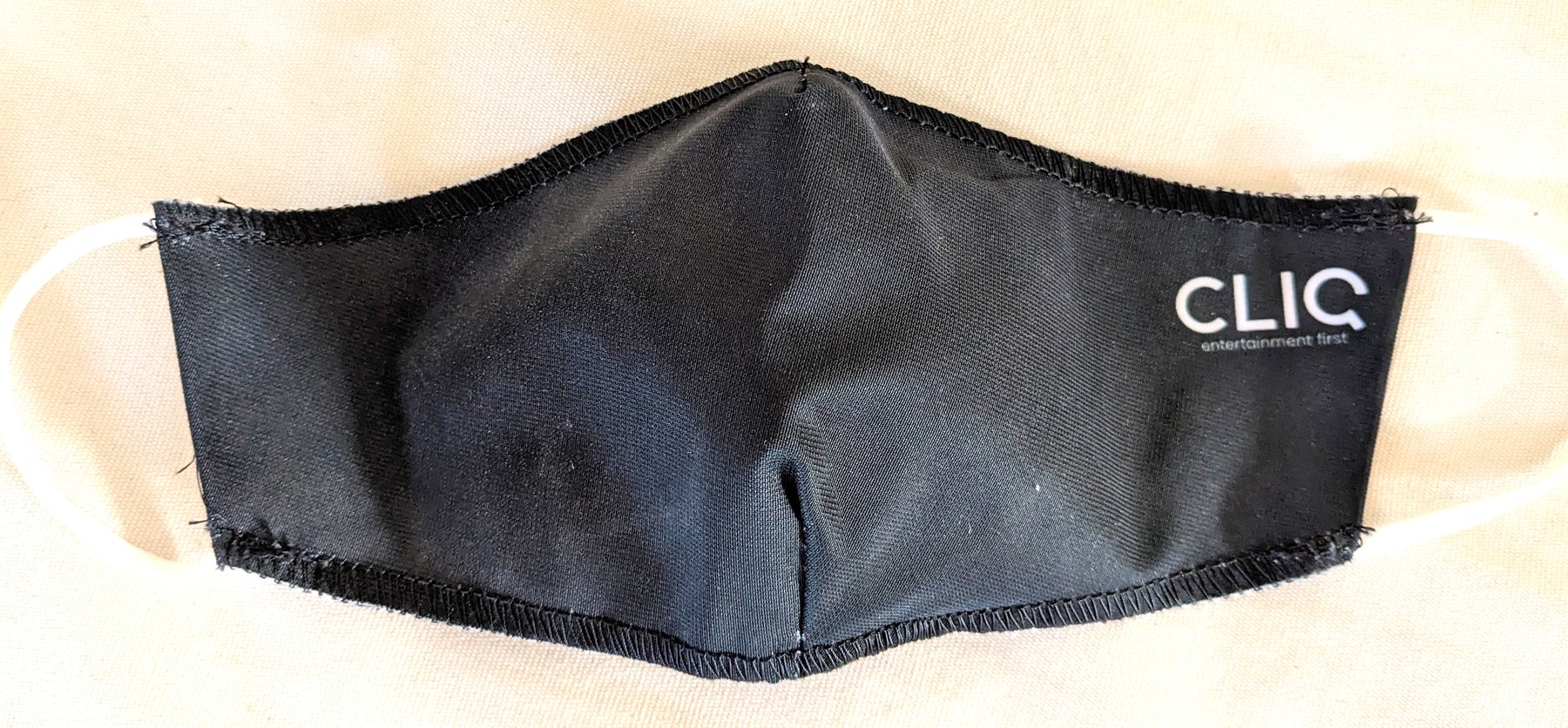
Museum note: the exhibit is a face mask from 2020 – fittingly, the one item in the collection designed to be thrown away after a few months of use.
Further reading
- Wikipedia (de) – Cliq Digital (ongoing)
- Cliq Digital – Full-year 2022 results and €1.79 dividend proposal (2023)
- Edison – CLIQ Digital: Increased churn weakens FY24 outlook (2024)
- 4investors – Cliq Digital: Deutliche Gewinnwarnung, heftige Kursreaktion (2024)
- stock3 – Cliq: Wir hatten vor dieser Katastrophe oft genug gewarnt (2025)
- Cliq Digital – Goodwill impairment of €26.6 million (2025)
- Börse Express – Cliq Digital: Dylan Media über 60 Prozent nach Rückkauf (2026)


