 Jesse Livermore
· 3 min read
BBBY: Stock Buybacks at 0 terminal value
Part of the Portfolio since 2023... (hat tip Walter!)
Bed Bath & Beyond – founded in 1971 as “Bed ’n Bath” – was, for a generation of Americans, a genuinely beloved shop: the cavernous home-goods barn with the wall-to-wall towels and, above all, the legendary big blue 20%-off coupons that households hoarded in kitchen drawers and treated as a kind of parallel currency.
Its slow decline was, at first, utterly ordinary – Amazon, Target, too many leases, and a self-inflicted pivot to private-label brands that chased away the very shoppers who came for the brands they knew.
What was less ordinary was how the company spent its money while all this was happening. Year after year it bought back its own shares – roughly $11.6 billion since 2005, including around $1 billion in 2021 alone, when the stores already badly needed the cash. A buyback is a fine thing if the shares are worth more than you pay. Bought at any price above zero, these turned out to be the most expensive towels the company ever stocked.
An ordinary retail death would still not earn a place here. What earns it is the ending, in which a dying retailer was reanimated as a meme-stock casino and then drained in full view of its own most loyal fans.
In early 2022 Ryan Cohen – the activist investor adored by the online retail crowd – built a stake of close to 10% through his RC Ventures for about $121 million, secured three board seats for his nominees, and watched the share price levitate on retail enthusiasm. Then, in August 2022, just after the stock had quadrupled from its July low, he sold the entire position, reportedly netting around $68 million; the stock fell by as much as 43 per cent on the news of his exit. The crowd that had followed him in was left holding the bags he had just put down.
The company, desperate for cash, then did the thing dying companies do: it issued new shares into the mania – first through a 12-million-share at-the-market programme launched at the end of August 2022, then, in February 2023, through a financing deal with the hedge fund Hudson Bay Capital that was meant to raise more than $1 billion. Having spent billions buying its shares back at high prices, it now sold them at low ones. It is a grim machine – enthusiasm inflates the share, the company sells it to fund a few more months, the price sinks, repeat – and it transfers money from the hopeful to the merely solvent with great efficiency.
Amid this, on 2 September 2022, the company’s chief financial officer, Gustavo Arnal – who had days earlier been named in a class-action lawsuit alongside Cohen – died after a fall from a Manhattan building. It was a genuinely dark moment in what the market had been treating as entertainment, and a reminder that behind the memes sat real people under real pressure.
The arithmetic finished the story. On 23 April 2023 Bed Bath & Beyond filed for Chapter 11 bankruptcy, and the equity was wiped out. The coupons, poignantly, stopped being accepted three days later; the towels were liquidated and the last stores closed at the end of July. Overstock.com bought the name in a bankruptcy auction for $21.5 million. The brand, meanwhile, lives on: in August 2025 Overstock’s successor renamed itself Bed Bath & Beyond Inc. and reclaimed the ticker BBBY. Same name, same ticker, none of the old shareholders.
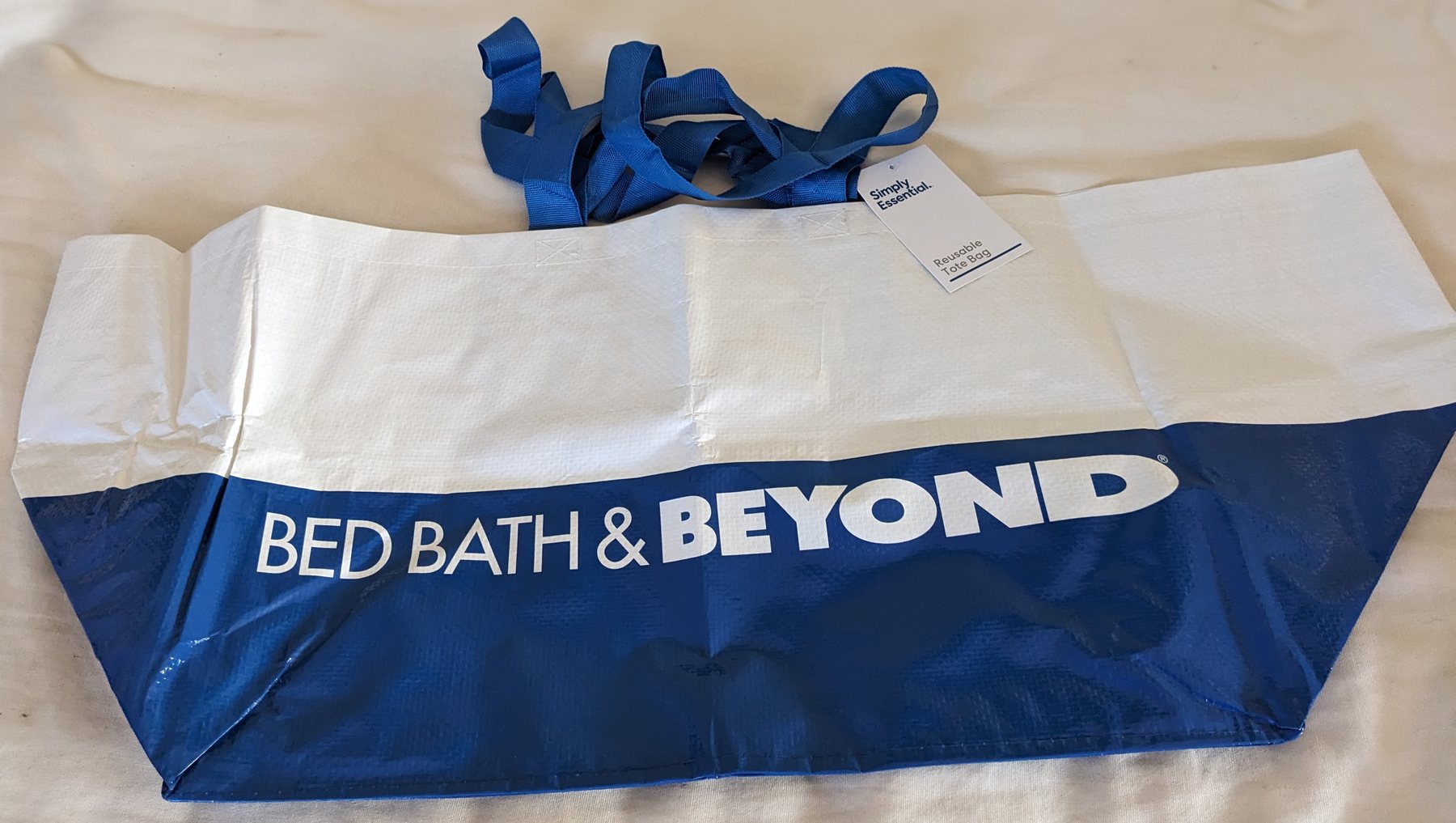
Museum note: $11.6 billion spent buying the company back from its own shareholders; $21.5 million fetched for its name at auction. That, dear visitors, is what a terminal value looks like.
Further reading
- Wikipedia – Bed Bath & Beyond (1987–2023)
- Wolf Street – After $11.6 billion of share buybacks, Bed Bath & Beyond goes bankrupt (2023)
- The Robin Report – The share buyback that killed Bed Bath & Beyond (2022)
- Bloomberg – Cohen makes millions on Bed Bath & Beyond as meme traders recoil (2022)
- Cleary Gottlieb – Bed Bath & Beyond establishes 12 million share ATM program (2022)
- Retail Dive – Beyond Inc. renames itself Bed Bath & Beyond (2025)
- Wikipedia – Bed Bath & Beyond (2023–present)


