 Jesse Livermore
· 5 min read
Aston Martin... full force against the wall
Updated: Aug 27, 2020
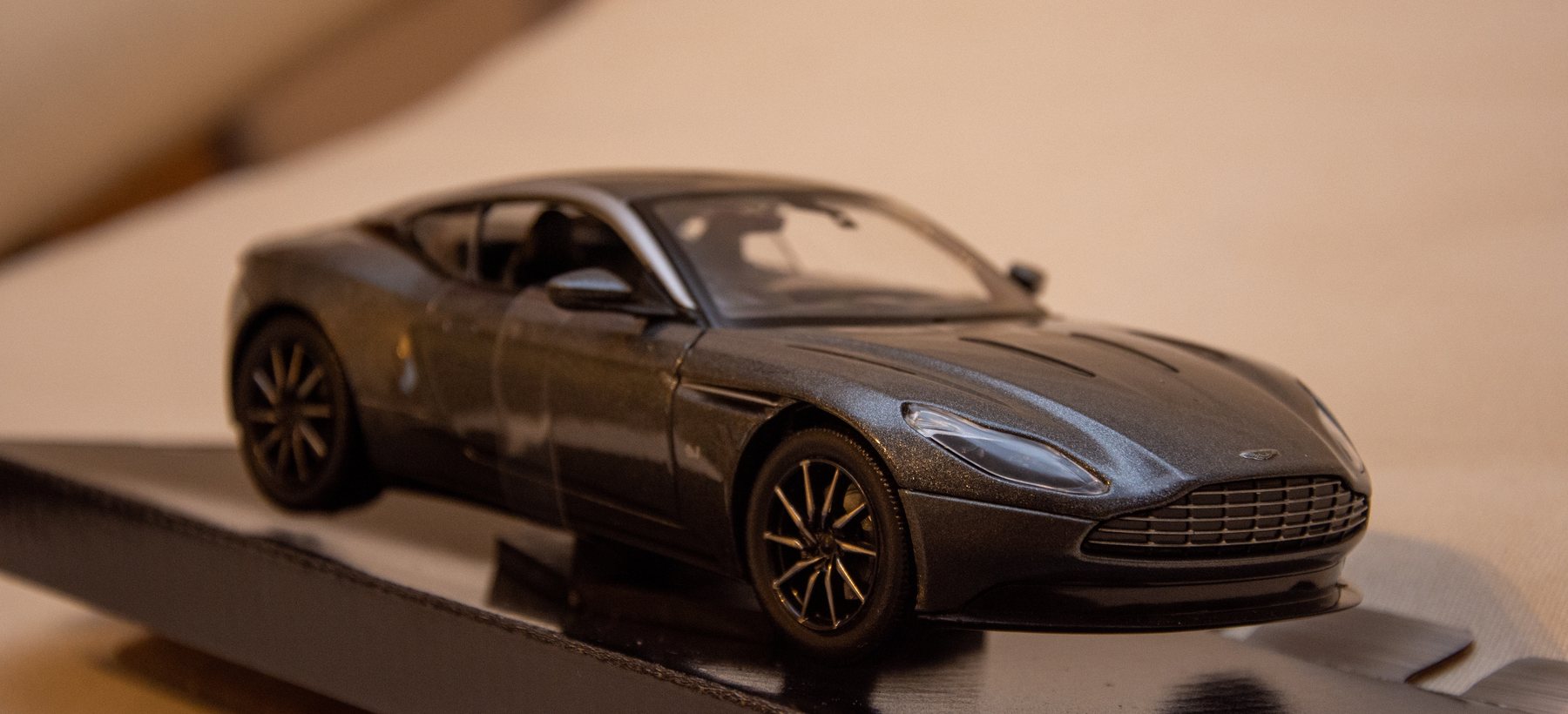
Part of the portfolio: 04/2019
(A 1:24 replica of the Aston Martin DB11; with a price tag of more than USD 200k, the original DB11 was a bit too expensive for the museum’s endowment.)
If history is any guide, car manufacturing is a tough business. Of the hundreds of car companies that once existed in the US (link), only the old “Big Three” made it through the twentieth century.
This is true even for the most iconic brands. Famous as the preferred choice of James Bond, Aston Martin has an exquisite history – and, after seven bankruptcies, a steady reputation for wiping out its owners.
FT Alphaville stubbornly refers to the company as the “clown car maker”, not least since Aston Martin had to restate its 2019 results: errors in accounting for payments to US dealers meant the 2019 loss had been understated by GBP 15.3mn.
After reading the Annual Report 2018 (copy) of the then recently floated Aston Martin Lagonda, it became clear that the Kapitalmarkthygienemuseum had to own a piece of this story.

In 2007 Ford Motor Company sold Aston Martin for around USD 925mn to a group of investors consisting of motorsport veteran David Richards (the guy on the left with the Ray-Bans) and some Kuwaiti investors.
Some years of restructuring followed, and then the roaring success of the Ferrari IPO paved the way for a listing. Ferrari stock (RACE) went from its USD 52 offer price in October 2015 to around USD 150 – close to USD 30bn in market cap – by June 2018. So the owners thought it was time to cash in big and bring Aston Martin to market. On 3 October 2018 the company floated in London at GBP 19 a share, a market value of GBP 4.33bn.
The pitch was easy: like Ferrari, we have an iconic brand, and we will sell more cars in the future. Since those incremental sales are very profitable, we will make a ton of money.
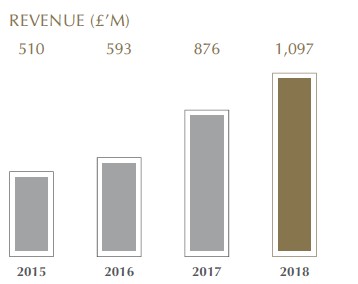
The first annual report was full of pretty pictures and nice cars. At first glance everything was fine and dandy. At second glance, much of the “turnaround” looked like aggressive accounting. The first 70 pages were mostly bling-bling; the sobering financial stuff came afterwards.
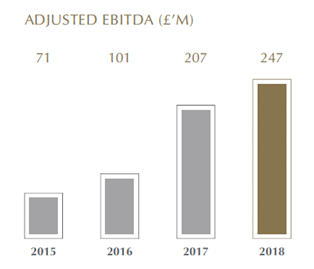
Revenue and adjusted EBITDA had grown nicely over the previous years. But after reading the unadjusted numbers and some of the fine print, it became clear that serious risks were involved. Net result for the year was a loss of GBP 57mn. Stated net debt was GBP 560mn, more than 2x “adjusted EBITDA”.
And there were some more unsavoury details that could have raised eyebrows and hinted at aggressive accounting:
1) Operating cash flow was stated at GBP 222mn. Investment in capex and intangible assets (“R&D”) was around GBP 300mn. After all investments: no free cash flow at all.
2) Before the IPO, Aston Martin entered into a financing agreement with Standard Chartered Bank. At its core, customer orders for future “special editions” were pre-financed. This financing was treated as off-balance-sheet and amounted to GBP 150mn a year – a nice boost to operating cash flow. The downside: this financing would dry up in a recession and could even reverse if ordered cars were cancelled.
3) The threshold for the 2018 management incentive plan was based on adjusted EBITDA (GBP 247mn). Adjusted EBITDA excluded certain items, for example GBP 61.2mn of “pre-IPO long-term employee incentives”. The threshold for a bonus payout was GBP 186mn. In plain language: last year’s management bonus was adjusted out to make this year’s bonus…
4) Unlike Ferrari and other carmakers, Aston Martin capitalised most of its R&D aggressively. Even though the company spent more than GBP 200mn on R&D in both 2017 and 2018, only a fraction was recognised as an expense. Had Aston Martin expensed R&D at the same rate as Ferrari, it would not have been profitable.
5) Aston Martin faced another problem. It had promised investors rapid growth but had little revenue growth to show. The solution lay in another accounting gimmick, just in time for the IPO: Aston Martin changed the way it recognised revenue.
Until 2017, revenue was not recognised in the P&L when a vehicle was ready if the delivery date was a year in the future – a very reasonable practice. In 2018, however, this changed, and the provision holding back revenue on cars a year away from delivery vanished from the company’s revenue recognition policy. Et voilà: this “new” revenue found its way into the financials, which would not have been possible without the change in rules.
What followed was that receivables more than doubled while revenue (under the newly applied rules) increased by only 25%. Of course, the newly found revenue did not hit the company’s cash balance, as it was just a bookkeeping entry. The positive effect was also short-lived and could not reasonably be expected to recur. The clown car crash was one step closer.
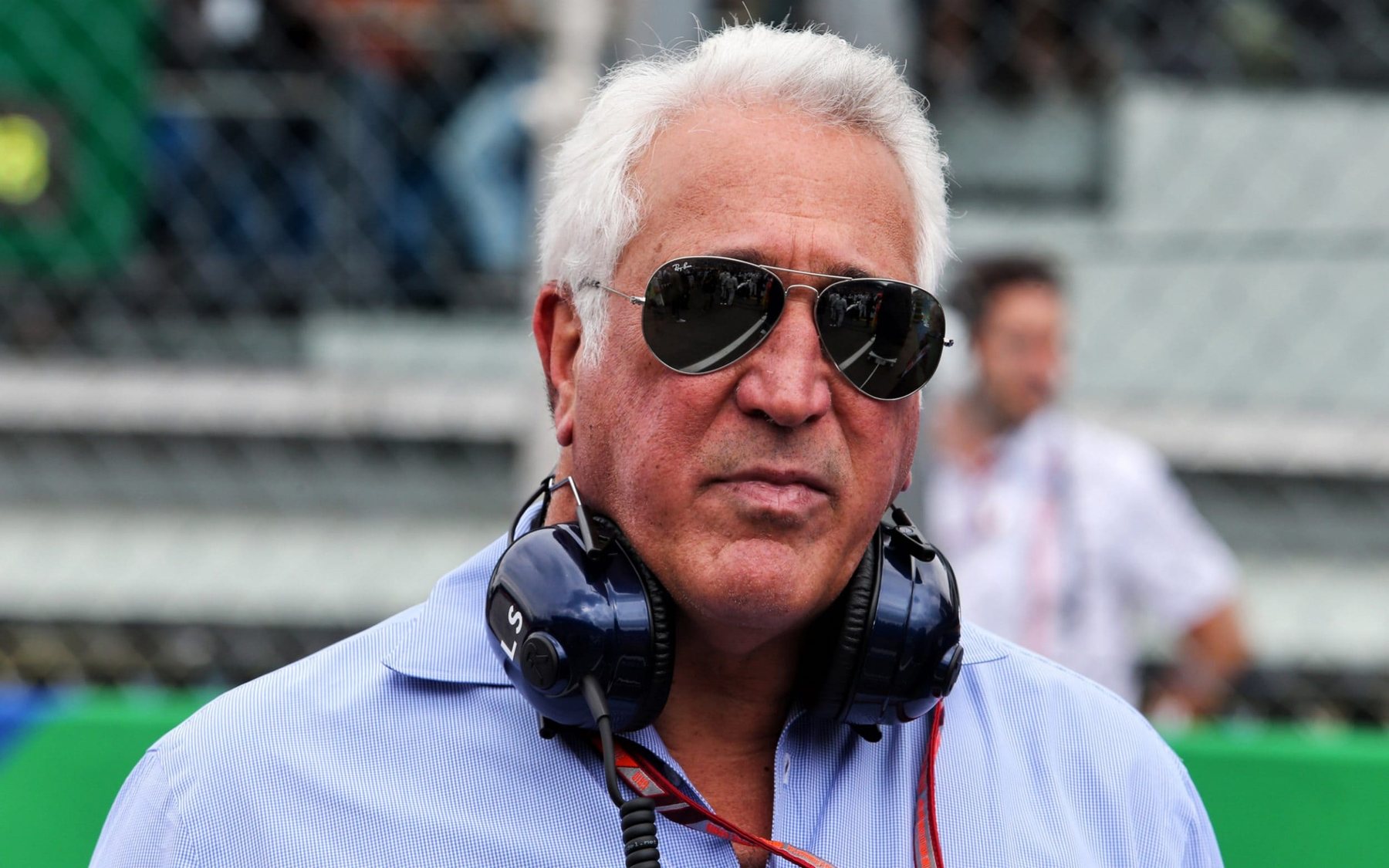
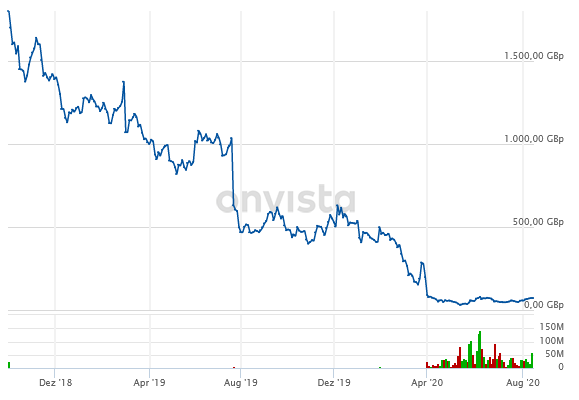
All of the above, plus very slow sales in the following years, made the problems surface and the share price crash. Only capital injections by another billionaire motorsport enthusiast (wearing nearly the same Ray-Bans) kept the company afloat: in January 2020 Lawrence Stroll’s consortium paid GBP 182mn for 16.7% as part of a GBP 500mn rescue that included a rights issue.
It did not stop there. A seemingly endless series of capital raises followed – from Saudi Arabia’s Public Investment Fund, from China’s Geely and, again and again, from Stroll, whose consortium owned about a third of the company by 2025. Profit warnings became a seasonal tradition. For 2025 Aston Martin reported an operating loss of GBP 259mn on total debt of GBP 1.38bn, and in February 2026 it announced it would cut up to 20% of its staff, citing US tariffs and weak demand in China. It even sold the right to use its name to the Aston Martin Formula 1 team – for GBP 50mn. By early 2026 the shares had lost around 99% of their value since the IPO.
This “emotional short” would have worked out pretty well, with a decline in the share price of more than 90% in just under two years.
Museum note: our 1:24 DB11 has not needed a single capital increase since 2019. In this collection, that makes it the best-capitalised Aston Martin in existence.
Further reading
- Wikipedia – Aston Martin
- New York Times – Ford’s sale of Aston Martin (2007)
- USA Today – Aston Martin IPO (2018)
- Financial Times – Aston Martin, 2020 and Corona (2020)
- Driving.ca – Aston Martin finalizes deal with Canadian billionaire, may still need more cash (2020)
- AM Online – Aston Martin understated 2019 loss by £15.3m due to dealer payment errors (2020)
- Bloomberg – Aston Martin to cut up to 20% of staff as turnaround stalls (2026)


